A historic estate can make a fool of a well-planned day. You drive two hours, park in a soggy field, walk up the drive, and find the house shut for conservation cleaning — or the last timed entry gone an hour ago. None of that is bad luck. It is information that was available before you left home.
Estate visits reward twenty minutes of homework. Not a spreadsheet's worth, but enough to know what your ticket covers, how far you will be walking on gravel, and whether you are allowed to photograph the library ceiling. Here is the checklist worth running through when you book, and again the night before you go.
Book Ahead, and Read What the Ticket Covers
Many properties now sell entry in timed slots, and weekends, school holidays and bank holidays fill first. Booking online usually secures a slot; turning up on the day often works in February and rarely works in August. Before you pay, work out exactly what you are buying, because the wording matters more than the price.
- Which parts of the property are included. House, gardens, parkland, walled kitchen garden, exhibitions and outbuildings are sometimes ticketed separately.
- Whether entry is timed and how strictly that is enforced. A slot of 11am usually means arrival, not the moment you must be inside the front door.
- The last entry time, which is often well before the gate closes. Miss it and you can still buy tea, but not see the state rooms.
- Parking. Some car parks are run by a separate operator or need a coin, and some refund the charge against admission if you ask at the desk.
- Guided tours and events, which may carry their own ticket, their own start time and their own cancellation terms.
One more thing worth checking: a single estate is sometimes split between two organisations, with one ticket admitting you to the house but not the garden next door. Membership schemes are good value if you plan several visits, but confirm which properties are actually covered.
Check Access Before You Commit
Historic buildings were not designed for wheelchairs, prams or tired knees. Gravel drives, cobbles, uneven stone floors, narrow doorways, spiral stairs and sloping lawns are all normal. None of that means a visit is impossible — it means the useful answer is never a simple yes or no.
Questions worth asking the property directly
- How far is the walk from the car park to the house, and is the surface firm and level?
- Are there steps at the main entrance, and is there a step-free route to the same rooms?
- Can a wheelchair or mobility scooter be borrowed or hired, and does it need booking?
- Are scooters allowed in the gardens, or only on certain paths?
- Where are the accessible toilets, and is there a shuttle bus from the car park?
- Are assistance dogs welcome inside the house as well as the grounds?
Many properties offer reduced or free admission for an essential companion, and many have a quiet room or a sensory map — but these vary, so ask rather than assume. If you are planning around a recent injury, a heart or lung condition, or a fluctuating illness, speak to your own clinician about what a day of walking and standing will ask of you, and to the property's access team about what they can realistically provide.
Photography: Know the Rules Before You Raise the Camera
Photography rules are usually three separate rules wearing one coat, and the coat is often misread.
- Outside — gardens, parkland and exteriors are typically fine for personal photographs.
- Inside the house — often no flash at all, sometimes no photography whatsoever. Reasons include light damage to textiles and watercolours, loan agreements with lenders, and the comfort of other visitors in small rooms.
- Equipment — tripods, selfie sticks and drones are commonly restricted or banned outright, and drone flights need permission from the landowner and, in many countries, a licence.
Commercial, wedding and editorial shoots almost always need a permit arranged weeks in advance, with insurance. For an ordinary visit, take the sign at the door as the rule for the whole room, ask a steward if you are unsure, and never steady yourself against a wall, cabinet or chair. If a room is roped off, the correct response is to stay behind the rope and zoom, not to lean over it.
Etiquette: Small Habits That Keep the House Standing
Most estate rules exist because a fragile object plus a hundred thousand visitors a year equals damage. Following them is not about being told off; it is what keeps the place open.
- Don't touch. Skin oils, rings and handbags do real harm to gilding, wallpaper, textiles and polished wood.
- Stay on paths and behind ropes. A shortcut across a lawn crushes grass that may have taken years to establish.
- Keep your voice down. Sound carries oddly in empty rooms, and a single loud conversation can empty a chapel of its atmosphere.
- Eat and drink in the café or designated picnic areas. Ask before spreading a blanket on a lawn — some are ornamental, some are meant to be sat on.
- Keep children close and hands busy. Family trails and activity sheets exist precisely for this; ask at the desk.
- Dogs: usually welcome in gardens on a lead, rarely in the house. Check before you assume.
Time It Right, and Dress for the Ground Underfoot
When to arrive
The first hour after opening is the quietest. Coach parties tend to land mid-morning and again after lunch, so early afternoon is often the busiest stretch in the house. If you have limited time, do the interiors first and the gardens afterwards, since gardens rarely close early. Aim to be at the door at least ninety minutes before the house stops admitting visitors, and check that day's page for closures: filming, private events and conservation work can shut rooms at short notice.
What to wear and carry
Two pairs of shoes' worth of terrain can exist on one estate: a damp gravel drive, then polished oak floors, then wet grass. Flat shoes with grip are the sensible default. Houses are usually colder than the garden and gardens are more exposed than the car park, so layers beat a single coat. Keep your bag small, as large bags are often asked to stay at the entrance and lockers are not guaranteed, and bring water, sun protection and a folding umbrella. Save your ticket offline in case the signal drops.
Getting More Out of the Rooms
Take the guided tour if one is offered. Volunteers know which portrait was painted over another, which staircase was moved, and which room the family actually used in winter. If you would rather not interrupt a tour, save your question for the end. Room stewards, standing quietly in corners, are the best resource in the building — ask them what they would take home from the room, or what visitors always get wrong. Read the room notes. Sit down in the garden for ten minutes rather than photographing it from the doorway. That is usually the part people remember.
The Night-Before Checklist
- Re-check opening times and the last entry time on the property's own website, not a leaflet from last year.
- Confirm your booking, time slot and parking arrangements, and save them to your phone for offline use.
- Note the step-free route, the nearest accessible toilet and whether a wheelchair needs booking.
- Check what is closed that day — rooms, restaurant, garden, or the whole house for an event.
- Set out flat shoes, a waterproof layer, water and a small bag.
- Re-read the photography rules, including flash, tripods and drones.
- Plan a fallback: if the house is heaving when you arrive, do the gardens first and return later.
Twenty minutes of checking turns a gamble into a good day out. The house has been standing for three hundred years; it will still be there next weekend if this one goes wrong — but with a little preparation, it rarely does.
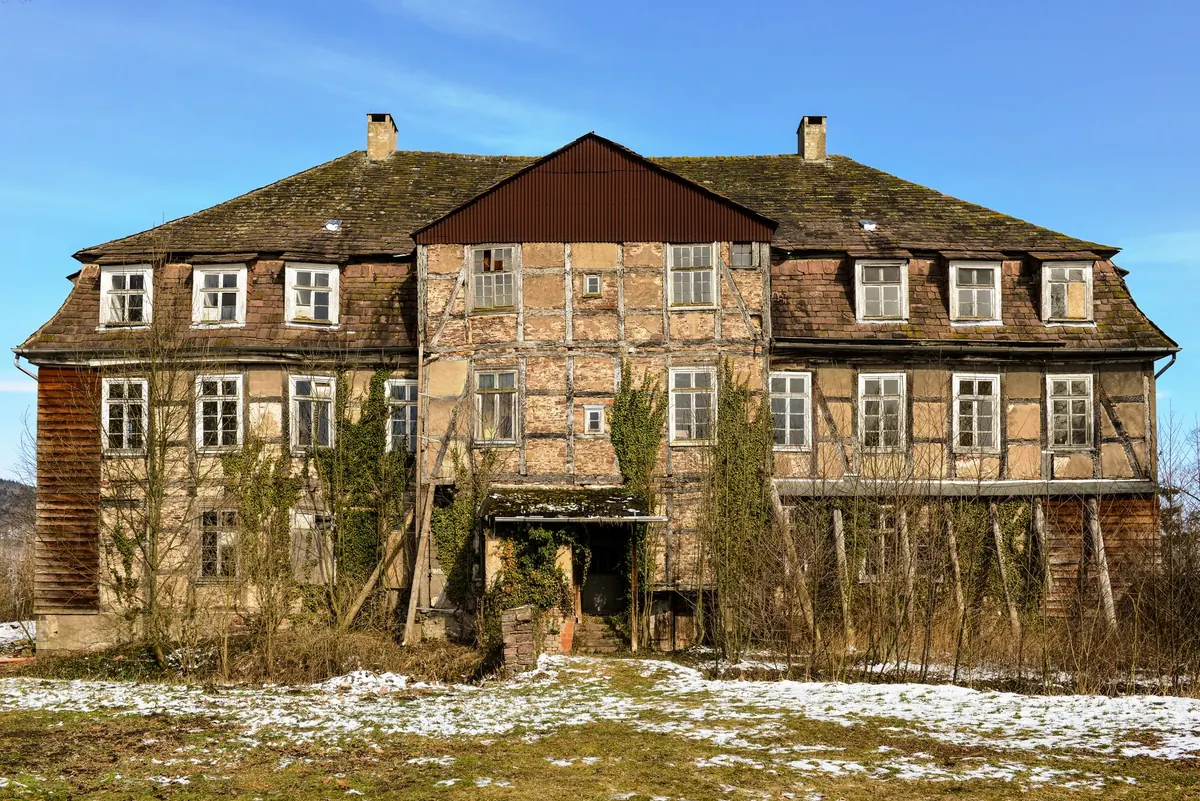
Photo: fotshot / Pixabay